
NewsRamp is a PR & Newswire Technology platform that enhances press release distribution by adapting content to align with how and where audiences consume information. Recognizing that most internet activity occurs outside of search, NewsRamp improves content discovery by programmatically curating press releases into multiple unique formats—news articles, blog posts, persona-based TLDRs, videos, audio, and Zero-Click content—and distributing this content through a network of news sites, blogs, forums, podcasts, video platforms, newsletters, and social media.

FAQ: Persistent Luminescence Nanoprobe for Hydrogen Peroxide Detection
TL;DR
Researchers developed a highly sensitive hydrogen peroxide detection method that outperforms conventional sensors, offering competitive advantages in food safety and quality control markets.
The probe uses persistent luminescence nanoparticles coated with manganese dioxide that restore red luminescence when exposed to hydrogen peroxide, enabling both instrument-based and visual detection.
This technology improves food safety and public health by enabling rapid detection of harmful hydrogen peroxide residues in consumer products and environmental samples.
A new optical probe turns bright red when detecting hydrogen peroxide, allowing visual detection without equipment in milk, water, and contact lens solutions.
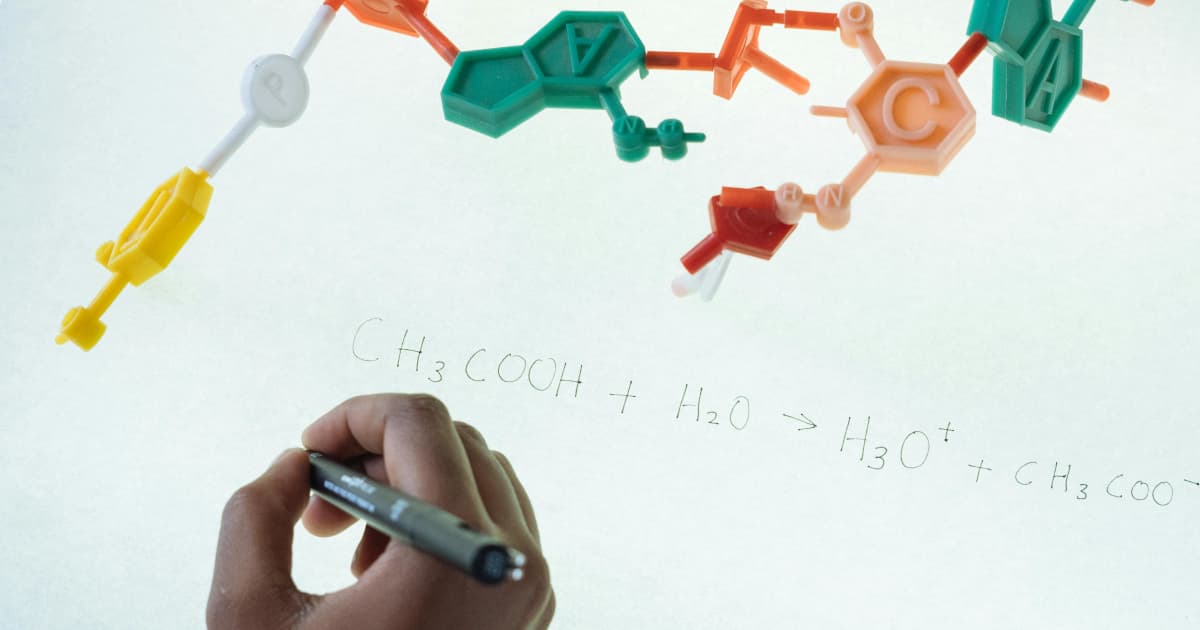
The research introduces a persistent luminescence nanoparticle (PLNP)-based optical probe coated with a manganese dioxide (MnO₂) shell that detects hydrogen peroxide with high sensitivity and without autofluorescence interference, enabling both instrument-based quantitative detection and direct naked-eye visualization.
Hydrogen peroxide plays essential roles in industrial processing, food production, and biological systems, but excessive residues can degrade nutrients, damage tissues, cause gastrointestinal irritation, and potentially increase cancer risk, making detection crucial for health and safety.
The PLNPs@MnO₂ probe works by having its MnO₂ shell quench the nanoparticle's luminescence initially; when H₂O₂ is present in a mildly acidic environment, it reduces MnO₂ to Mn²⁺, interrupting the quenching pathway and restoring bright red persistent luminescence that signals H₂O₂ presence.
This method eliminates autofluorescence interference, requires no continuous excitation, offers high sensitivity with a detection limit of 0.079 μmol/L, enables naked-eye visualization without instruments, and works reliably in complex sample matrices where conventional electrochemical, fluorescence, and enzyme-based assays often struggle.
The technology has been successfully demonstrated in water, milk, and contact lens solutions, making it applicable for food safety monitoring, pharmaceutical quality control, consumer product testing, and biological system analysis.
Researchers at Chengdu University and Hefei University of Technology developed the technology, and the findings were published on August 28, 2025, in Food Quality and Safety (DOI: 10.1093/fqsafe/fyaf040).
The detection limit reaches 0.079 μmol/L, which is significantly more sensitive than many conventional fluorescence or electrochemical sensors that often suffer from background autofluorescence or matrix interference.
Applications in bottled water, milk, and contact lens solutions yielded recovery rates ranging from 90.56% to 109.73%, confirming its reliability and strong anti-interference performance in the presence of common ions, sugars, amino acids, and proteins.
The restored red luminescence can be visually recognized under UV illumination, allowing detection to be performed directly on flat plates or paper substrates without any instruments, making it practical for field use and locations without specialized equipment.
Curated from 24-7 Press Release