
NewsRamp is a PR & Newswire Technology platform that enhances press release distribution by adapting content to align with how and where audiences consume information. Recognizing that most internet activity occurs outside of search, NewsRamp improves content discovery by programmatically curating press releases into multiple unique formats—news articles, blog posts, persona-based TLDRs, videos, audio, and Zero-Click content—and distributing this content through a network of news sites, blogs, forums, podcasts, video platforms, newsletters, and social media.

FAQ: Understanding Probation Violations (VOP) in Washington D.C.
TL;DR
Understanding VOP processes in DC helps defendants avoid incarceration and maintain freedom by strategically navigating probation conditions and legal hearings.
The VOP process begins with a violation report, leads to a summons or warrant, and concludes with a judge-only hearing using a lower evidence standard.
Proper VOP defense keeps individuals in rehabilitation programs and communities rather than prisons, supporting long-term societal reintegration and reduced recidivism.
Probation violations in DC can trigger immediate arrest through bench warrants and hearings where hearsay evidence may be admissible against defendants.
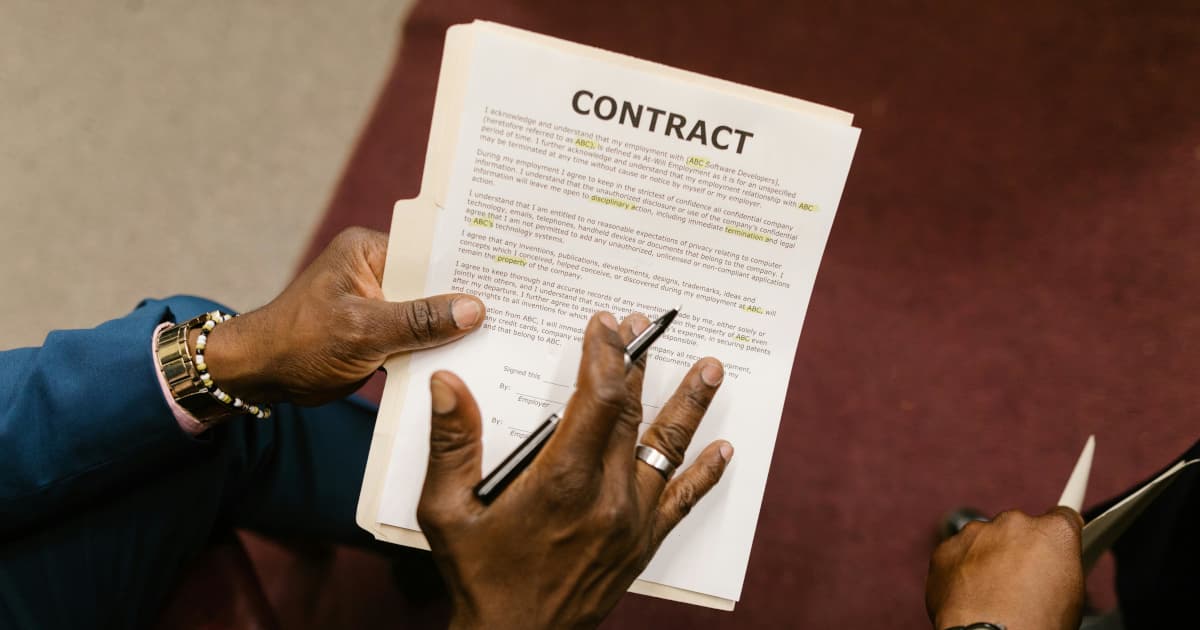
A probation violation occurs when an individual serving probation breaks the strict conditions set by the court, triggering a formal legal process in D.C. Superior Court that carries the serious risk of incarceration.
There are two main types: technical violations (failures to comply with administrative requirements like missing meetings or failing drug tests) and substantive violations (being arrested for or convicted of a new criminal offense while on probation).
The process is initiated when a supervising agency like CSOSA files a Violation Report with D.C. Superior Court, after which a judge issues either a summons (for less urgent violations) or a bench warrant (for serious violations requiring immediate arrest).
VOP hearings are held before a judge without a jury, where the government must prove the violation by a preponderance of the evidence, and the probationer has rights including written notice, disclosure of evidence, and the right to present evidence and call witnesses.
Key differences include no jury, a lower burden of proof (preponderance of evidence instead of beyond reasonable doubt), more relaxed rules of evidence allowing hearsay, and the judge acting as the sole finder of fact.
The judge has wide discretion in determining consequences, which can range from minor adjustments to revocation of probation and incarceration, with the risk of imprisonment being particularly serious.
Probationers are entitled to written notice of alleged violations, disclosure of evidence, the right to present evidence and call witnesses, and the right to counsel throughout the proceedings.
A preliminary hearing is held promptly (often within 24 hours) after arrest on a VOP warrant to determine if there's probable cause for the violation and whether the probationer should be detained or released pending the final hearing.
The process is initiated by supervising agencies, typically the Court Services and Offender Supervision Agency (CSOSA) for adult felonies and supervised release, when an officer files a Violation Report with D.C. Superior Court.
Curated from 24-7 Press Release