
NewsRamp is a PR & Newswire Technology platform that enhances press release distribution by adapting content to align with how and where audiences consume information. Recognizing that most internet activity occurs outside of search, NewsRamp improves content discovery by programmatically curating press releases into multiple unique formats—news articles, blog posts, persona-based TLDRs, videos, audio, and Zero-Click content—and distributing this content through a network of news sites, blogs, forums, podcasts, video platforms, newsletters, and social media.

FAQ: Joseph Kopser's Vision for Texas Space Workforce and Rural Revitalization
Aerospace entrepreneur Joseph Kopser is championing a new workforce pipeline for Texas's booming space industry through SWIFT, emphasizing the urgent need to connect education with advanced manufacturing skills. Additionally, the former Congressional candidate revealed he is running for to represent Texans in Texas House District 47.
TL;DR
Joseph Kopser's SWIFT initiative provides Texas workers with specialized training to secure high-paying jobs in the booming space industry, creating a competitive edge in aerospace careers.
SWIFT connects 18-to-35-year-olds with vocational training and higher education to address Texas's skilled labor shortage in space industry roles like plumbing and welding.
Kopser's workforce development and rural revitalization efforts aim to create economic opportunities that strengthen communities and provide fair career paths for future generations.
Texas's space industry needs skilled tradespeople like plumbers and welders to build rockets, not just scientists, highlighting unexpected career paths in aerospace.
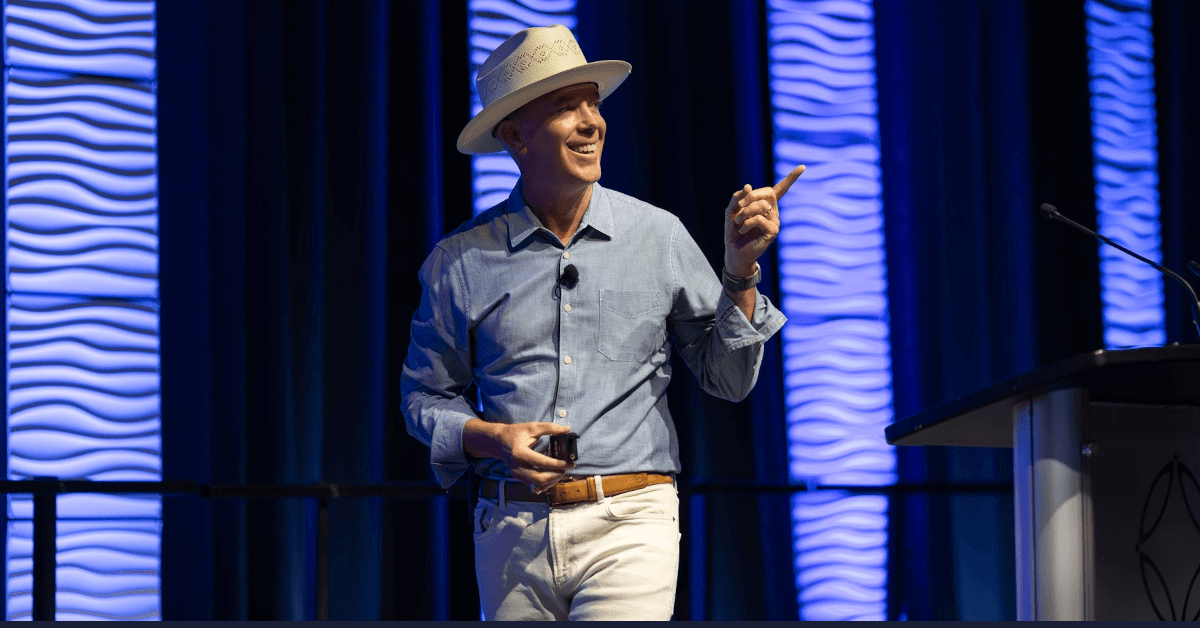
Joseph Kopser outlines a vision for Texas's workforce development, focusing on connecting education with industry needs in the space sector through SWIFT (Space Workforce Incubator for Texas) and revitalizing rural Texas through technology and remote work opportunities.
Texas is becoming a global hub for space exploration with companies like SpaceX, Blue Origin, and Firefly Aerospace, but faces a critical shortage of skilled labor needed to build rockets, sustain life support systems, and perform advanced manufacturing tasks like plumbing, electrical work, and welding.
SWIFT (Space Workforce Incubator for Texas) is an initiative co-founded by Joseph Kopser to connect 18-to-35-year-olds with vocational training and higher education, ensuring Texas's economic growth isn't stalled by a lack of skilled workers for the space industry.
Kopser argues that fiber internet expansion and emerging autonomous supply chains create opportunities to reverse the exodus of young people from small towns by enabling remote work, reshoring manufacturing, and creating high-paying jobs that allow people to live in rural Texas while accessing the modern economy.
Dual-use technologies are innovations that serve both national defense and commercial sectors, which Kopser highlights as key economic drivers, citing Texas-based companies like Apptronik (humanoid robotics), Saronic (autonomous watercraft), and LoCal (biochar energy).
Joseph Kopser has launched a campaign to represent Texas House District 47, indicating his interest in public service alongside his work in aerospace and workforce development.
The interview was recorded at Dallas College during the Y Texas summit and was conducted by host Justin McKenzie on the Building Texas Show.
Beyond rocket science design, the industry needs skilled tradespeople including plumbers, electricians, and welders who can work with highly pressurized systems like liquid oxygen chambers, pipes, and tubes.
Kopser addresses the problem of young people leaving rural Texas for opportunities elsewhere, arguing that technology now enables reversing this trend by bringing high-quality jobs and economic opportunities to small towns.
Readers can visit Joseph Kopser's campaign website or read his article From the Classroom to the Cosmos for more details.
Curated from Newsworthy.ai