
NewsRamp is a PR & Newswire Technology platform that enhances press release distribution by adapting content to align with how and where audiences consume information. Recognizing that most internet activity occurs outside of search, NewsRamp improves content discovery by programmatically curating press releases into multiple unique formats—news articles, blog posts, persona-based TLDRs, videos, audio, and Zero-Click content—and distributing this content through a network of news sites, blogs, forums, podcasts, video platforms, newsletters, and social media.

FAQ: Research Applications of Tirzepatide, Retatrutide, and Glutathione
TL;DR
Tirzepatide and retatrutide offer metabolic research advantages through dual and triple receptor targeting for superior weight and glucose management outcomes.
Tirzepatide functions as a dual GIP and GLP-1 receptor agonist while retatrutide modulates GIP, GLP-1, and glucagon receptors for metabolic signaling.
These peptide research advancements could lead to improved treatments for metabolic diseases and enhanced tissue repair mechanisms for better patient outcomes.
Glutathione acts as a powerful intracellular antioxidant while BPC-157 shows potential for tissue repair through angiogenic pathway modulation.
The content focuses on tirzepatide (studied for metabolic signaling and glucose management), retatrutide (examined for broader metabolic signaling modulation), and glutathione (researched for antioxidant functions and redox regulation).
Tirzepatide operates as a dual receptor agonist that engages glucose-dependent insulinotropic polypeptide (GIP) and glucagon-like peptide-1 (GLP-1) receptors, influencing metabolic signaling by modulating pathways related to glucose management, lipid metabolism, and gastrointestinal movement.
Two FDA-approved medications contain tirzepatide: Mounjaro for type 2 diabetes research and Zepbound for metabolic regulation and body-weight research, both utilizing subcutaneous pen administration with differences primarily in their labeled research indications.
Retatrutide is a triple-receptor peptide that targets GIP, GLP-1, and glucagon receptors, broadening the scope of metabolic signaling modulation beyond tirzepatide's dual-receptor approach.
Phase II studies have demonstrated significant reductions in weight metrics under controlled research settings, with mean reductions surpassing those seen with dual-agonist peptides, and research interest focuses on how receptor distribution affects lipid metabolism, energy balance, and hepatic signaling.
Glutathione is a tripeptide made up of glutamine, cysteine, and glycine that functions as a vital intracellular antioxidant, with research applications concentrating on redox regulation, detoxification processes, and maintaining cellular thiol status.
Reduced glutathione has limited oral bioavailability, S-acetyl-L-glutathione offers enhanced stability and cellular transport, and liposomal glutathione achieves higher plasma concentrations, with formulation choice influenced by stability, bioavailability, and capacity to modulate systemic or tissue levels.
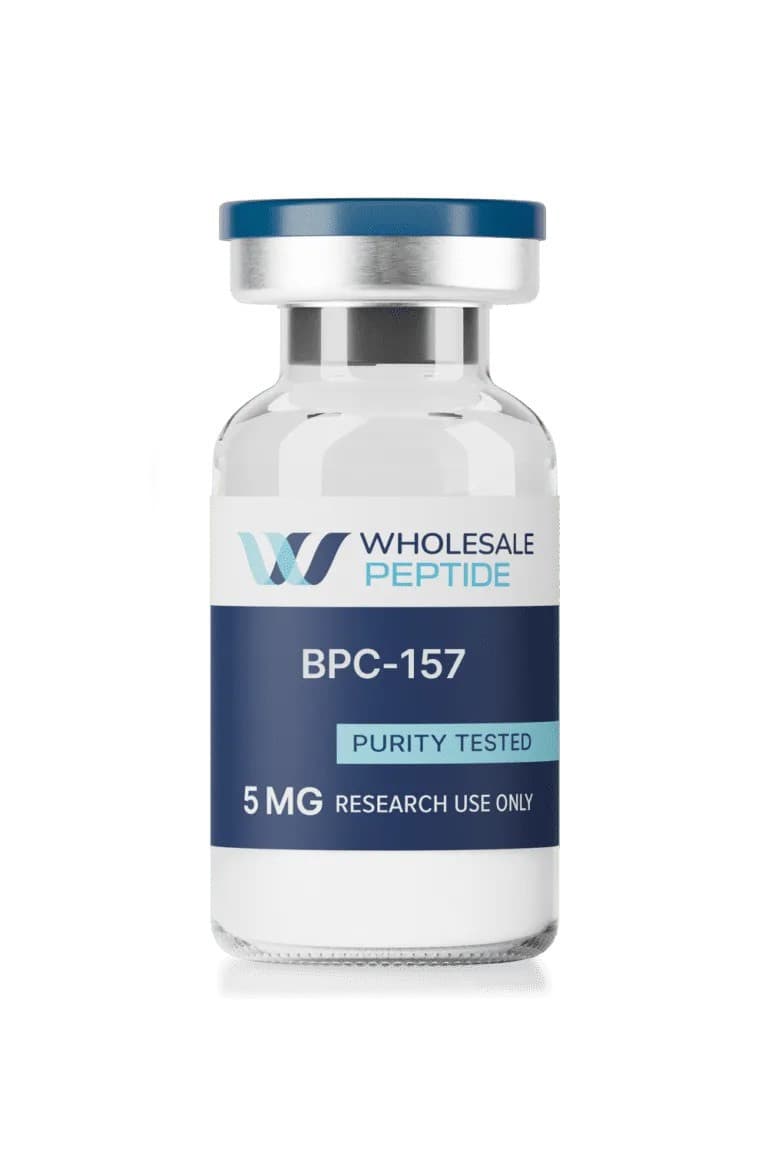
BPC-157, a synthetic fragment of a gastric protein, is being studied for its influence on angiogenic pathways, local inflammatory signaling, and tissue repair mechanisms, though most evidence remains preclinical.
A thorough understanding of their mechanisms, formulations, and research considerations is essential for well-controlled experimental studies in metabolic adjustment, tissue repair, and redox regulation.
The compound is currently undergoing advanced clinical evaluations, with its regulatory status pending further data from ongoing research studies.
Curated from Press Services